🏠 Home
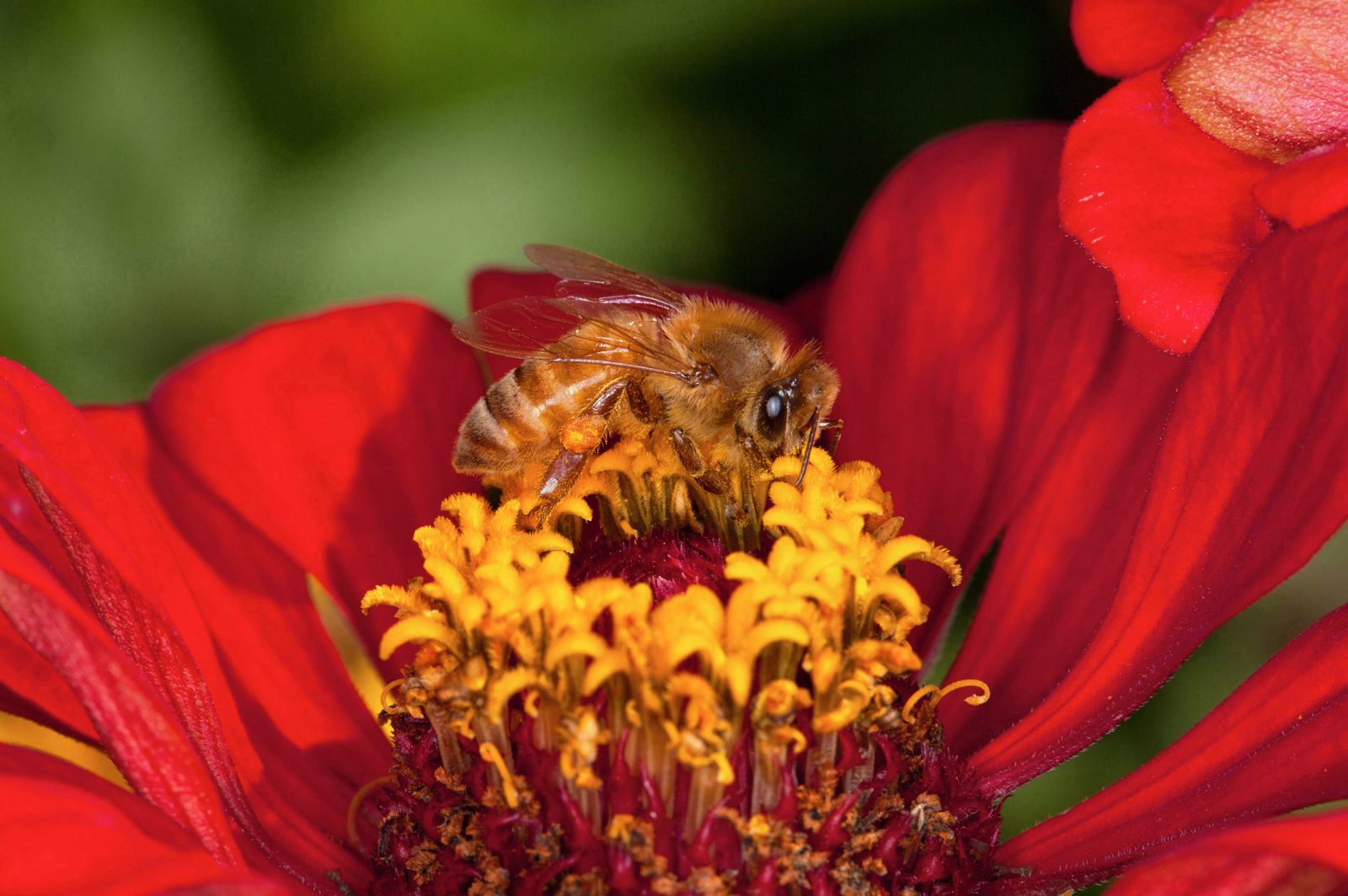
Photo: Peggy Greb, USDA ARS

Get Started

Everything you need to know, on one page. Read down, then sign up at the bottom.
How it works

Three easy steps

1
Tell us where your bees are.
Your spot, your hives, how long you've kept bees. About five minutes.
2
Get your report every Friday.
Built from your own forecast, your own weather over the past weeks, what's blooming near you, and your hives.
3
Send what you see.
Tap in an inspection or a mite count on your phone, or ask a question. Next week's report answers it, and your year-long hive record fills in.
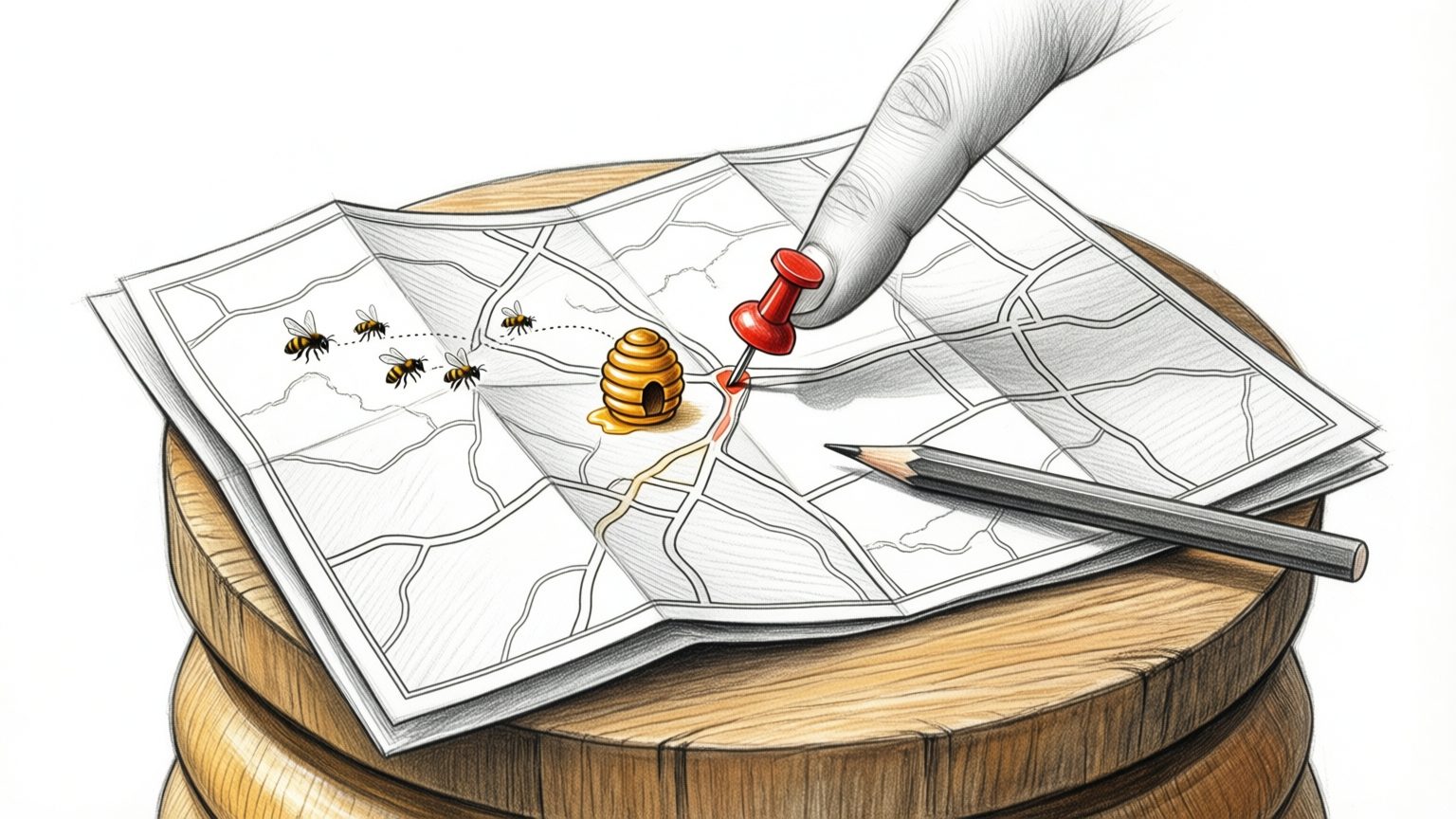
A hand-drawn map of Georgia with a pin on one apiary
Price

Simple pricing

2 months freeYearly
$79.99 a year

That's about $1.92 a week. One payment, nothing to remember.

Monthly
$7.99 a month

Stop any time.

🏡 One price covers your whole household

Everyone at one address shares the same report: you, your spouse, your kids, your dad. No extra charge.

Up to 10 hives included. More than 10? Add $2 a month ($20 a year) for any number of hives above that.

If it saves one hive, it pays for itself: a new package of bees costs much more than a year of the report.

No hidden fees. Cancel any time from the link in your email. A monthly plan stops whenever you say; a yearly plan runs to the end of the year you paid for.

Ways to pay

Pay the way you're comfortable with

🏦Bank accountPay straight from your checking account. Secure, through Stripe.
💳Card, Apple Pay or Google PayAny major card. Secure, through Stripe.
🅿️PayPalUse your PayPal account if you have one.
✉️Check by mailMail a check for the year. We'll send the address after you sign up.

Billing opens soon. Sign up now and we'll email you before anything is charged.
Sign up

Tell us about you and your bees

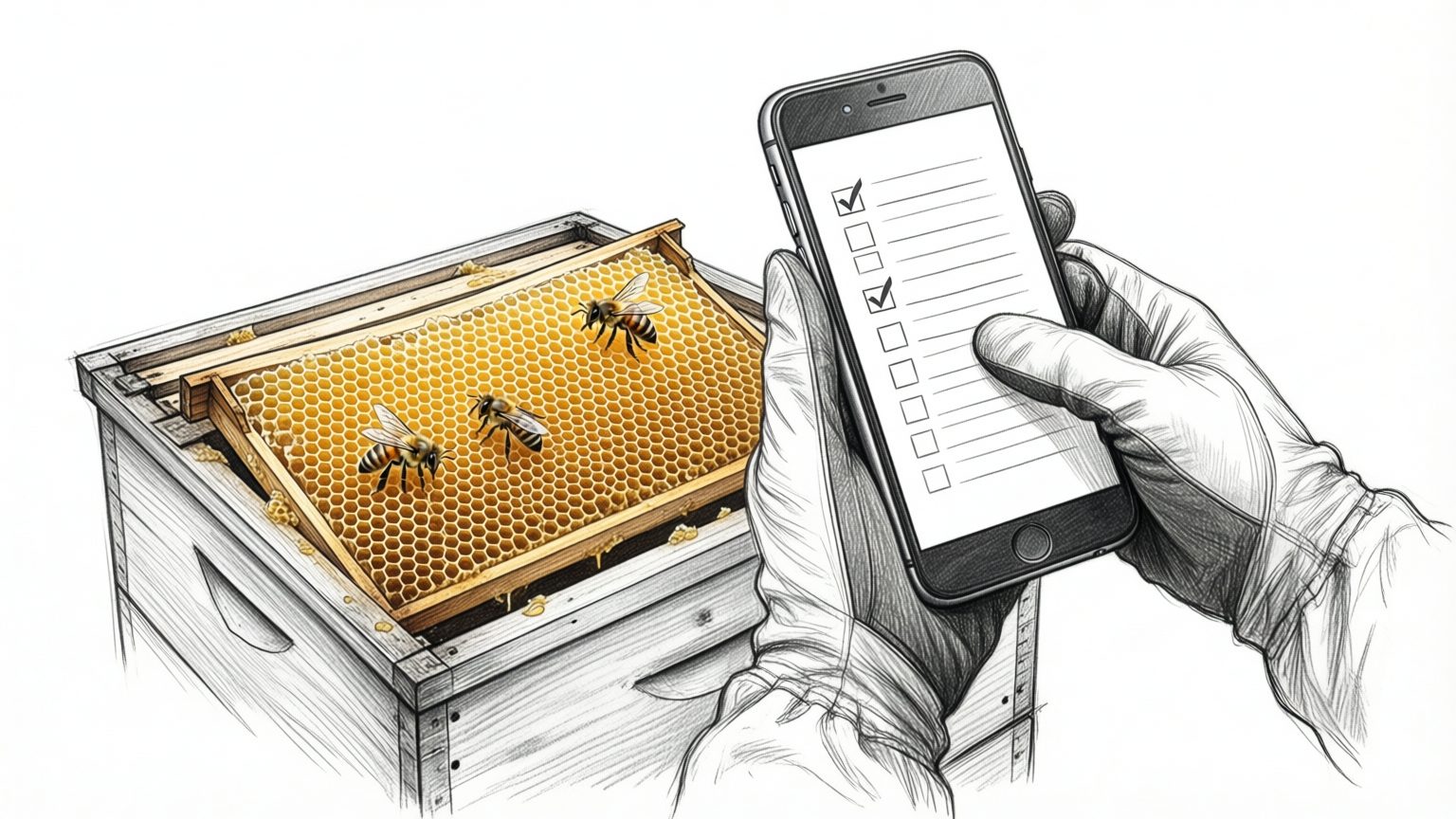
Tapping a hive checklist on a phone at the hive

One last thing: our reports are friendly, well-sourced advice, but bees are living animals and nobody can promise results. Please open the short notice below, then check the box.

📄 Read the notice (about 1 minute)

Please read: educational information only. The Everyday Bee Keeper's Weekly Report shares beekeeping information drawn from cited university, extension and government sources, such as University of Georgia Cooperative Extension, Auburn/Alabama Extension, University of Florida IFAS, Penn State Extension and the USDA. These organizations do not review or endorse this magazine.

Bees are living animals. Weather, pests, disease, forage, chemicals and hive conditions we can't see all affect your colonies, and colonies can weaken or die even when good practices are followed. We do not guarantee any result. By using this information you agree that you are responsible for your own hives and decisions, and that the publisher of The Everyday Bee Keeper's Weekly Report is not liable for colony losses, stings, property damage or other outcomes.

Always follow product labels and your state's laws, and contact your county extension office or state apiary inspector about problems with your own hives.

Open the notice above to unlock this box.

We never sell or share your information. You won't be charged anything until billing opens; we'll email you first. Outside Georgia? Sign up anyway and we'll email you when your state is ready.